

Heart Rate Variability (HRV) sounds technical but it's surprisingly simple. It’s the variation in time between each heartbeat – not how fast your heart beats, but how adaptable it is. Rather than your heart beating at a perfectly steady rhythm – say, exactly 60 times per minute – it naturally speeds up and slows down slightly from beat to beat. That fluctuation is what we're measuring. It's one of the most revealing metrics about your overall health and wellbeing.
A higher HRV generally reflects a body that’s responsive, balanced and well-recovered. A lower HRV can suggest stress, fatigue or that your body is working a little harder than usual. For women, HRV is particularly insightful. It naturally shifts with lifestyle, stress levels and hormonal changes throughout the menstrual cycle, making it one of the most useful ways to understand how your body is actually feeling, beyond guesswork.
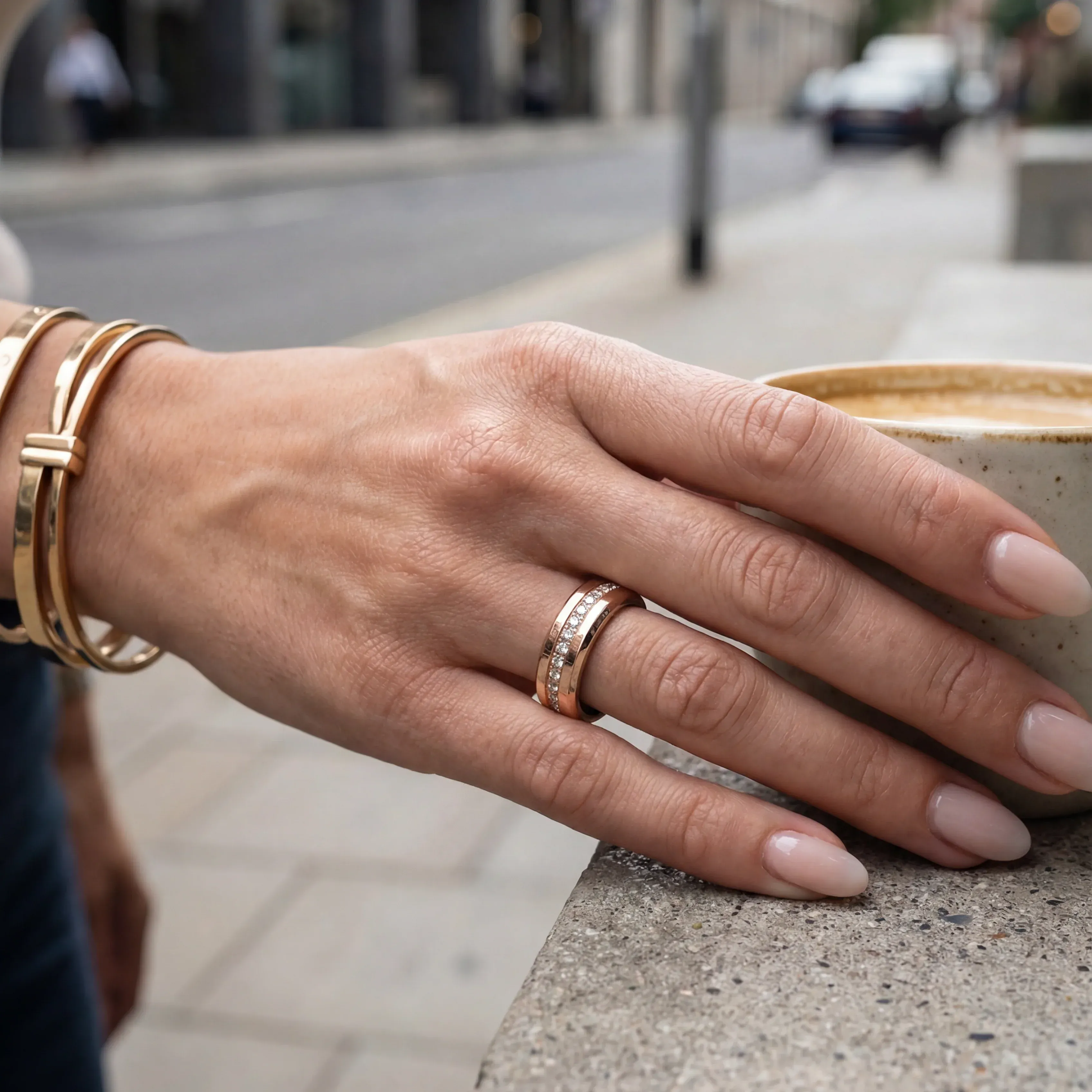
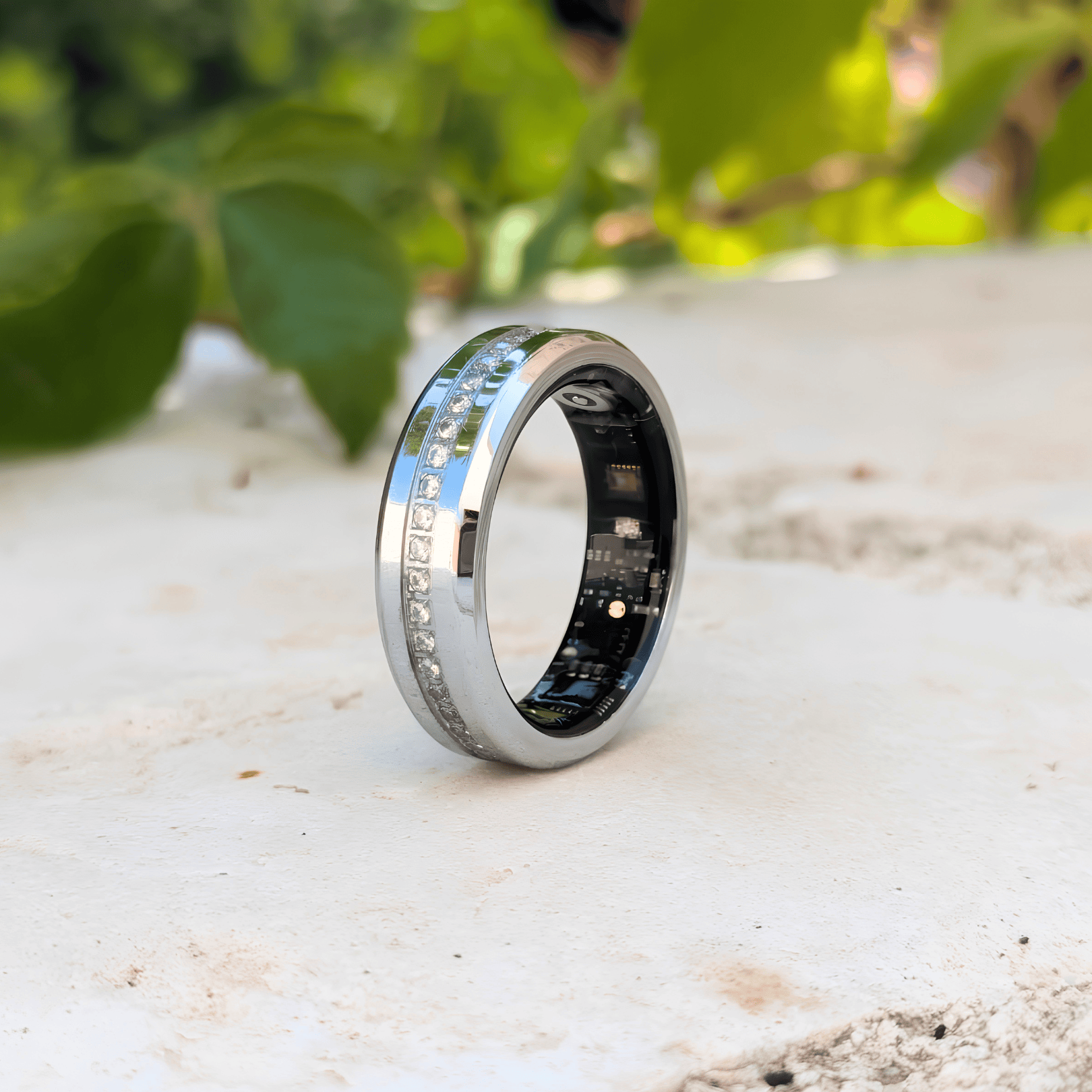
And this is where smart rings for women come into their own. Discreet, continuous and designed to be worn all day (and night), they offer a seamless way to track HRV without interrupting your routine.
Why HRV matters for your health
Your Heart Rate Variability is deeply connected to your autonomic nervous system—the part of your body that controls involuntary functions like breathing, digestion, and heart rate. This system has two main branches: the sympathetic nervous system (your "fight or flight" response) and the parasympathetic nervous system (your "rest and digest" mode).
A higher HRV generally indicates better balance between these two systems and suggests your body can adapt well to stress. Research has linked higher HRV to improved cardiovascular health, better stress resilience and faster recovery from physical exertion. Conversely, consistently low HRV can be an early warning sign of overtraining, chronic stress, illness or poor sleep quality.
Monitoring your HRV gives you a window into your nervous system's health – something that was once only possible in clinical settings. Now, with the right technology, you can track this metric daily and make informed decisions about your lifestyle.
Smart rings: the perfect tool for HRV tracking
This is where smart rings have revolutionised personal health monitoring. For women in particular, tracking HRV with a smart ring can help make sense of fluctuations that might otherwise feel random, from energy dips to changes in mood or focus. Unlike smartwatches, which many people remove at night, a ring stays on your finger 24/7. This continuous contact means smart rings can capture your heart rate data during sleep –precisely when HRV is most meaningful and revealing.
Smart rings use photoplethysmography (PPG) sensors to detect blood flow changes in your finger. Because fingers have excellent blood circulation and minimal movement during sleep, rings provide remarkably accurate readings. They're also less intrusive than wrist-worn devices, making them ideal for capturing your body's natural state without the psychological effect of wearing a visible health tracker.
The beauty of ring-based HRV tracking is consistency. You're not relying on remembering to wear a device or charge it daily. A quality smart ring offers multi-day battery life and seamless data collection, giving you a complete picture of your HRV trends over weeks and months. This longitudinal data is far more valuable than isolated readings.
What HRV monitoring can reveal about your life
When you start tracking HRV, patterns emerge. You might notice your variability dips after particularly stressful work days, or that it improves noticeably after a week of consistent exercise and good sleep. Some people discover that certain foods or activities affect their nervous system more than they realised.
HRV data can help you identify when you're genuinely recovered versus when you're pushing too hard. Athletes use this information to optimise training schedules – high HRV suggests your body is ready for intense workouts, while low HRV might indicate you need a recovery day. But this applies beyond sport. If your HRV is consistently low, it's your body's way of signalling that something needs to change.
Many people find that monitoring HRV creates a feedback loop of positive behaviour. Seeing how sleep quality directly impacts your nervous system's balance motivates better bedtime habits. Noticing HRV improvements after meditation or exercise reinforces these healthy practices. It transforms abstract health advice into concrete, personal data.
Practical tips for analysing your HRV data
Start by establishing your baseline. Track your HRV for at least two weeks before making changes or drawing conclusions. Your baseline will be unique to you – there's no universal "good" number, only what's normal for your body.
Look for trends rather than obsessing over daily fluctuations. HRV naturally varies day to day based on sleep, stress, exercise, and even caffeine intake. A seven-day rolling average smooths out noise and reveals genuine patterns. If your average HRV is trending upward, your lifestyle changes are working. If it's declining, something needs adjustment.
Pay attention to context. Note what you were doing the day before a low HRV reading – did you have a particularly stressful day, skip sleep, or do an intense workout? These correlations help you understand your personal triggers and recovery needs.
Use HRV as one data point among many. Combine it with information about your sleep quality, exercise frequency, stress levels, and how you feel subjectively. The most powerful insights come from connecting the numbers to your lived experience.
Lifestyle changes that improve HRV
Prioritise sleep quality. This is the single most impactful factor for HRV. Aim for consistent sleep and wake times, create a cool, dark sleeping environment, and avoid screens an hour before bed. Your HRV data will quickly show you how much sleep quality matters.
Manage stress intentionally. Practices like meditation, deep breathing, yoga, or simply spending time in nature have measurable effects on HRV. Even 10 minutes of daily mindfulness can shift your nervous system balance.
Exercise regularly, but recover properly. Both intense training and complete inactivity can lower HRV. The sweet spot is consistent, varied movement with adequate recovery days. Your HRV will guide you toward the right balance for your body.
Watch your caffeine and alcohol intake. Both can suppress HRV, particularly if consumed close to bedtime. Experiment with timing and quantity to see how your nervous system responds.
Stay hydrated and eat well. Nutrition and hydration support nervous system function. You might notice HRV improvements when you're consistently eating whole foods and staying hydrated.
Build social connections. Loneliness and isolation lower HRV, while meaningful relationships and community support it. Make time for people who matter to you.
Making HRV monitoring part of your routine
The real power of HRV tracking lies not in obsessive daily monitoring, but in using the data to make informed lifestyle decisions. A smart ring makes this effortless – the data collection happens automatically, and you simply check in weekly or monthly to see what your trends reveal.
Think of HRV as a conversation with your body. It's telling you when you're thriving, when you're stressed, and when you need to slow down.
By listening to that signal and responding thoughtfully, you're taking active control of your health in a way that was impossible just a few years ago.
Whether you're an athlete optimising performance, someone managing chronic stress, or simply curious about your health, HRV monitoring offers valuable insights. And with a smart ring on your finger, those insights are always just a glance away.
The bottom line
At its core, HRV is about awareness. Not in a clinical, overwhelming way – but in a quiet, informed one. Smart rings for women in the UK are making this easier than ever. Designed to look like jewellery, they offer meaningful insights into your wellbeing without adding noise or complexity.
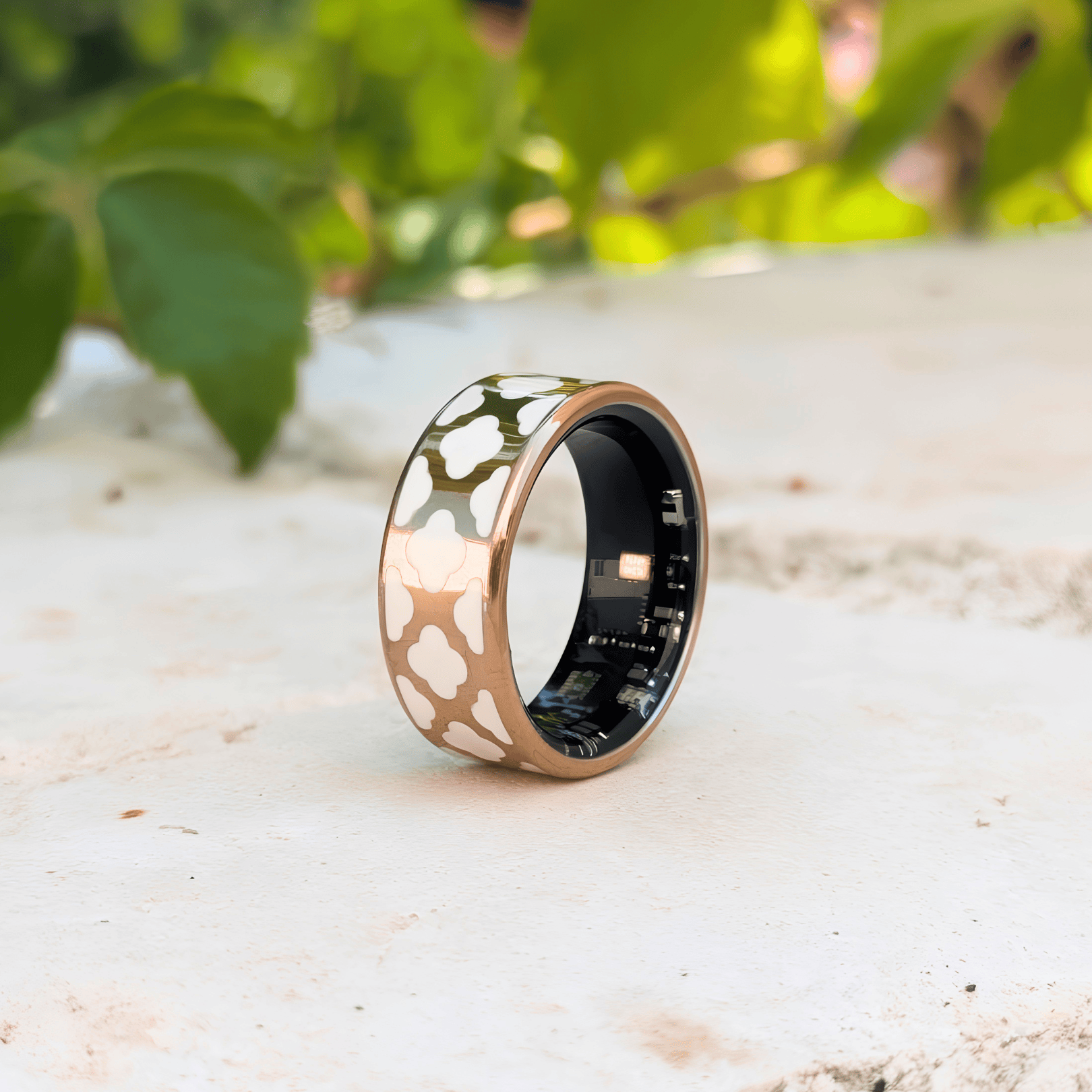
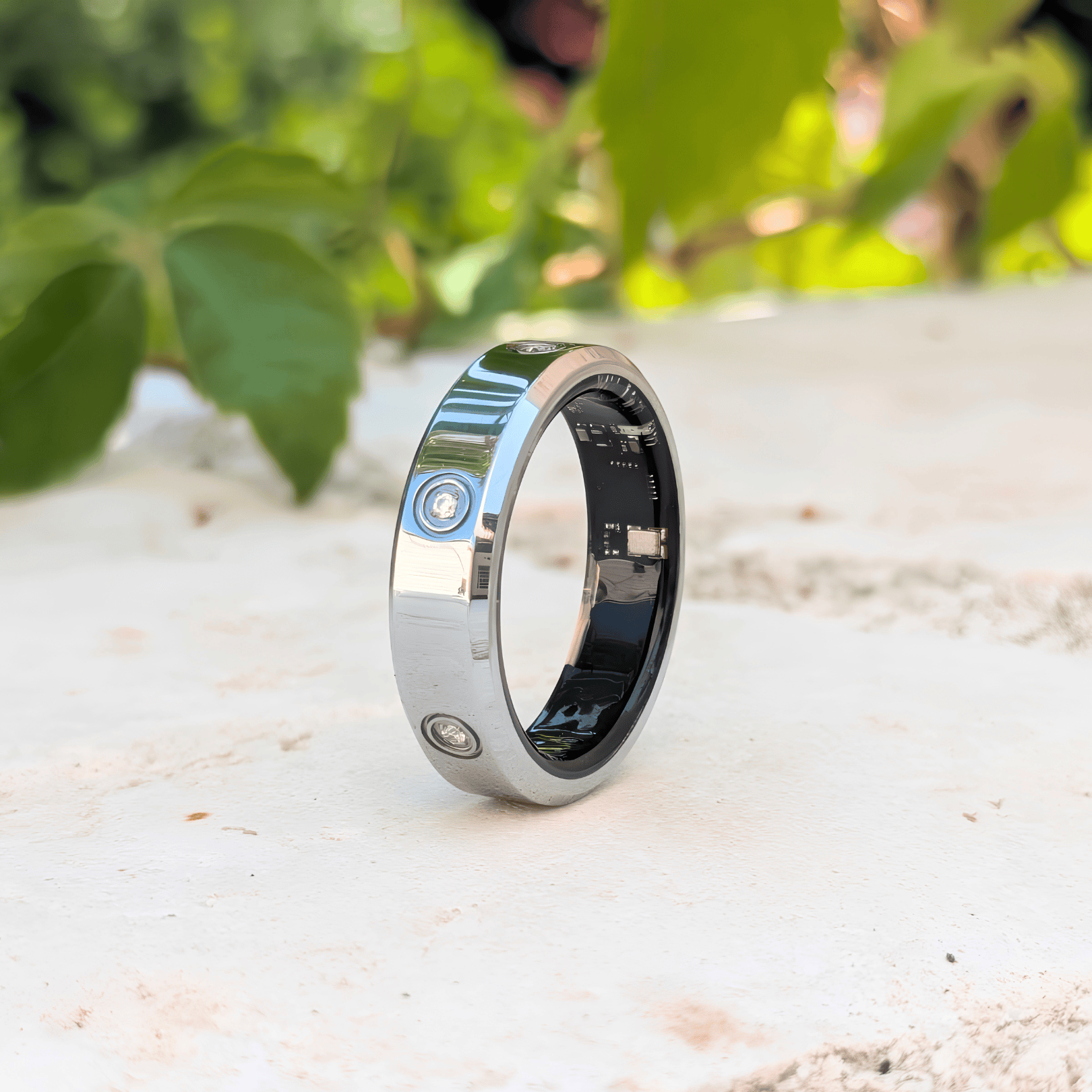
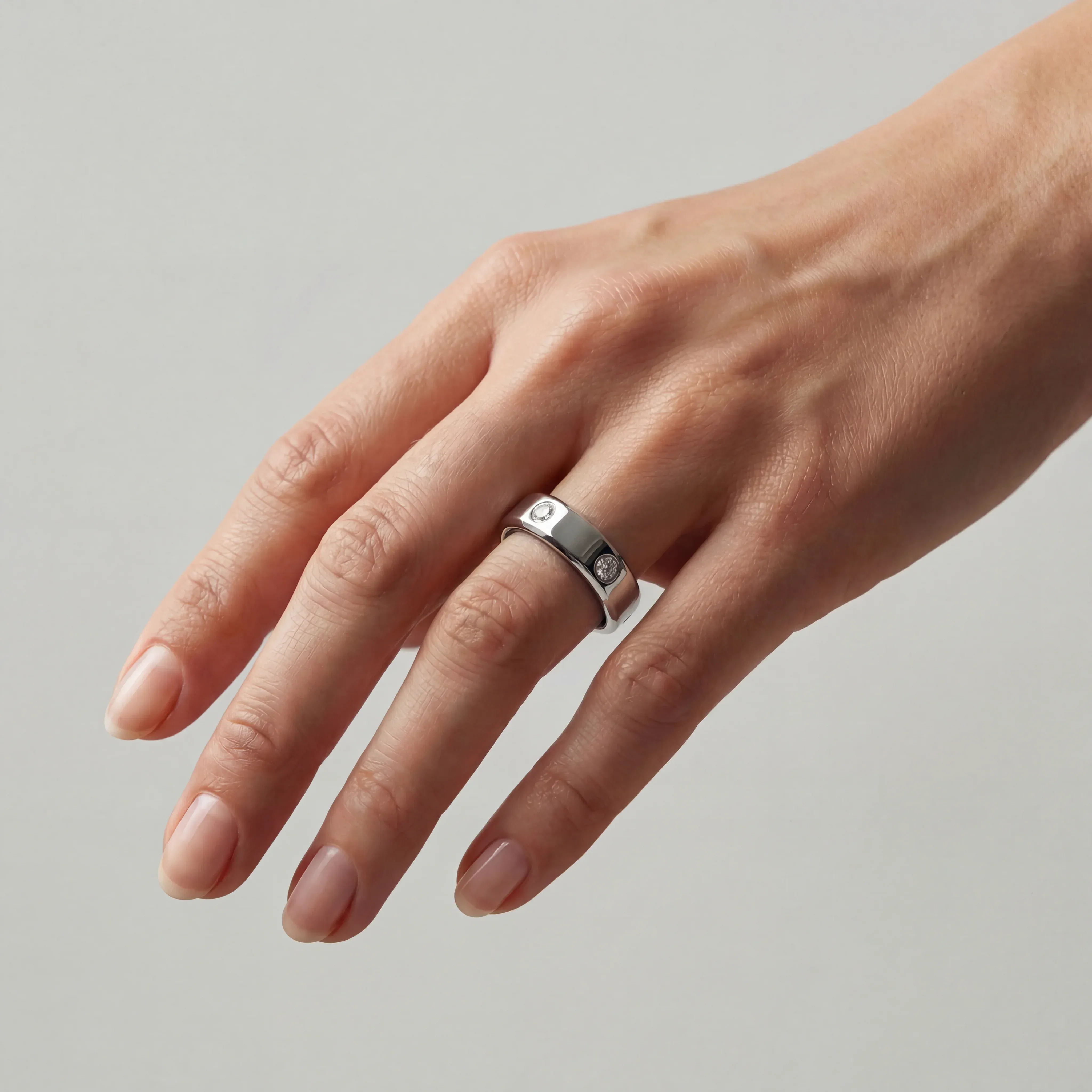
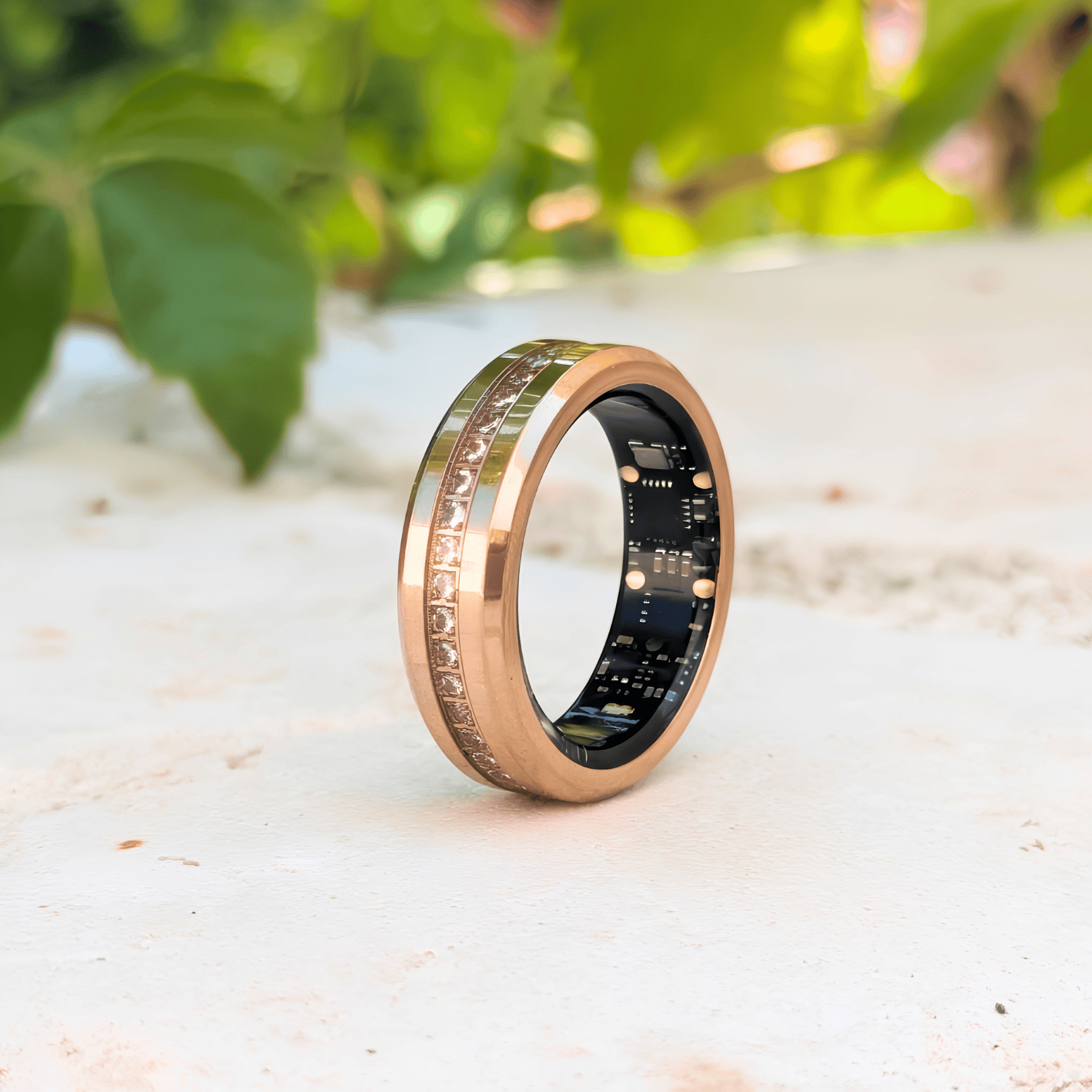
With NALA, that’s exactly the intention. A stylish smart ring that tracks your sleep, heart rate and HRV – while fitting seamlessly into your life. Because understanding your body shouldn’t feel like a task. It should feel like something that simply… makes sense.
See NALA's full range of stylish smart rings here.







Leave a comment
This site is protected by hCaptcha and the hCaptcha Privacy Policy and Terms of Service apply.