

If you've spent any time on TikTok or Instagram recently, you've probably come across videos promising to "recalibrate your CNS" or "reset your nervous system."
Cold plunges. Breathwork. Vagus nerve exercises. Morning sunlight. Magnesium. The list goes on.
But what does it all actually mean? And where does a smart ring fit into the picture?
The short answer is this: your smart ring can't regulate your nervous system for you – but it can help you understand how your body responds to the habits that may support it.
What do people mean by "nervous system regulation"?
First, a quick clarification.
Many social media posts talk about "CNS recalibration", but this isn't a recognised medical term. More often, people are referring to supporting the autonomic nervous system – the part of your nervous system that helps regulate functions like heart rate, breathing, digestion and your body's response to stress.
When we're under pressure, the sympathetic nervous system (often called "fight or flight") becomes more active. The parasympathetic nervous system helps bring the body back towards a calmer, more restorative state, sometimes referred to as "rest and digest."
The goal isn't to eliminate stress altogether – that wouldn't be possible or even healthy. Instead, it's about helping your body recover well after periods of stress.
Can a smart ring measure your nervous system?
Not directly. There isn't a sensor inside your smart ring that measures your nervous system or tells you whether it's "regulated."
Instead, your smart ring monitors several physiological signals that provide useful clues about how your body is responding over time.
These include:
- Heart Rate Variability (HRV)
- Resting heart rate
- Sleep quality and duration
- Stress score
- Skin temperature trends
- Activity and recovery
Individually, none of these tell the whole story.
Together, they begin to paint a picture of how your body is coping with everyday life.
Why Heart Rate Variability matters
One of the metrics most commonly associated with nervous system regulation is Heart Rate Variability, or HRV.
HRV measures the tiny differences in time between each heartbeat. Contrary to what many people assume, a perfectly regular heartbeat isn't necessarily the goal. A healthy amount of natural variation is often considered a sign that your autonomic nervous system is responding flexibly to the demands of daily life.
HRV naturally changes from person to person, which is why comparing yourself to someone else isn't particularly useful.
The more valuable insight comes from watching your own trends over time.
Can healthy habits improve these metrics?
Potentially, yes.
Habits commonly linked with supporting recovery and stress resilience include:
- Prioritising consistent, high-quality sleep
- Regular physical activity
- Breathing exercises or meditation
- Spending time outdoors
- Eating a balanced diet
- Allowing enough recovery between workouts
Everyone responds differently. What leaves one person feeling refreshed may have little effect on someone else.
That's where tracking trends can become useful.
This is where a smart ring can help
Imagine you've started taking a 20-minute walk every evening, practising five minutes of breathing exercises before bed or sticking to a more consistent sleep schedule. Your smart ring won't tell you that your nervous system has been "reset." But over the following weeks, you might notice patterns such as:
- More consistent sleep
- Higher HRV compared with your usual baseline (higher the better)
- A lower resting heart rate
- Improved recovery
- Lower physiological stress during certain parts of the day
Those changes don't prove your nervous system has been "recalibrated." However, they can provide valuable feedback about how your body is responding to new routines.
Rather than relying on guesswork, you're building a clearer understanding of what genuinely helps you feel your best.
Awareness over perfection
Wellness trends often promise dramatic transformations. Real life is usually quieter than that. Some weeks your HRV will be higher. Other weeks it won't. Sleep improves, stress returns, routines change – and that's perfectly normal.
The goal isn't to chase perfect numbers, it's to notice patterns and make informed decisions based on your own data.
The bottom line
While a smart ring can't regulate your nervous system, it can help you understand the habits that may support healthy stress responses, better recovery and improved sleep over time.
At NALA, we believe wellness isn't about chasing trends or searching for quick fixes. It's about building a clearer picture of your body, one day at a time. Because sometimes the most powerful insight isn't a miracle cure. It's simply understanding yourself a little better.
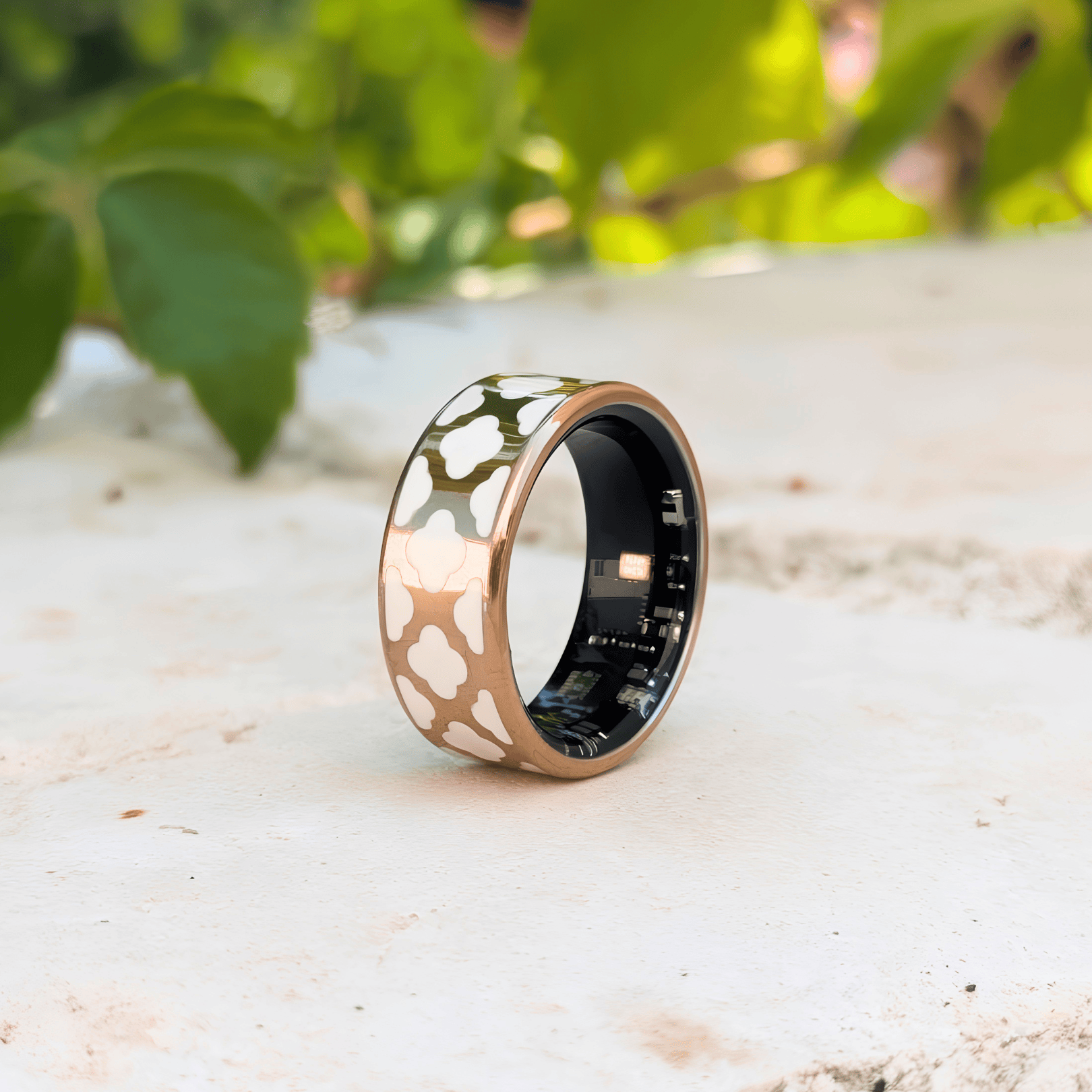
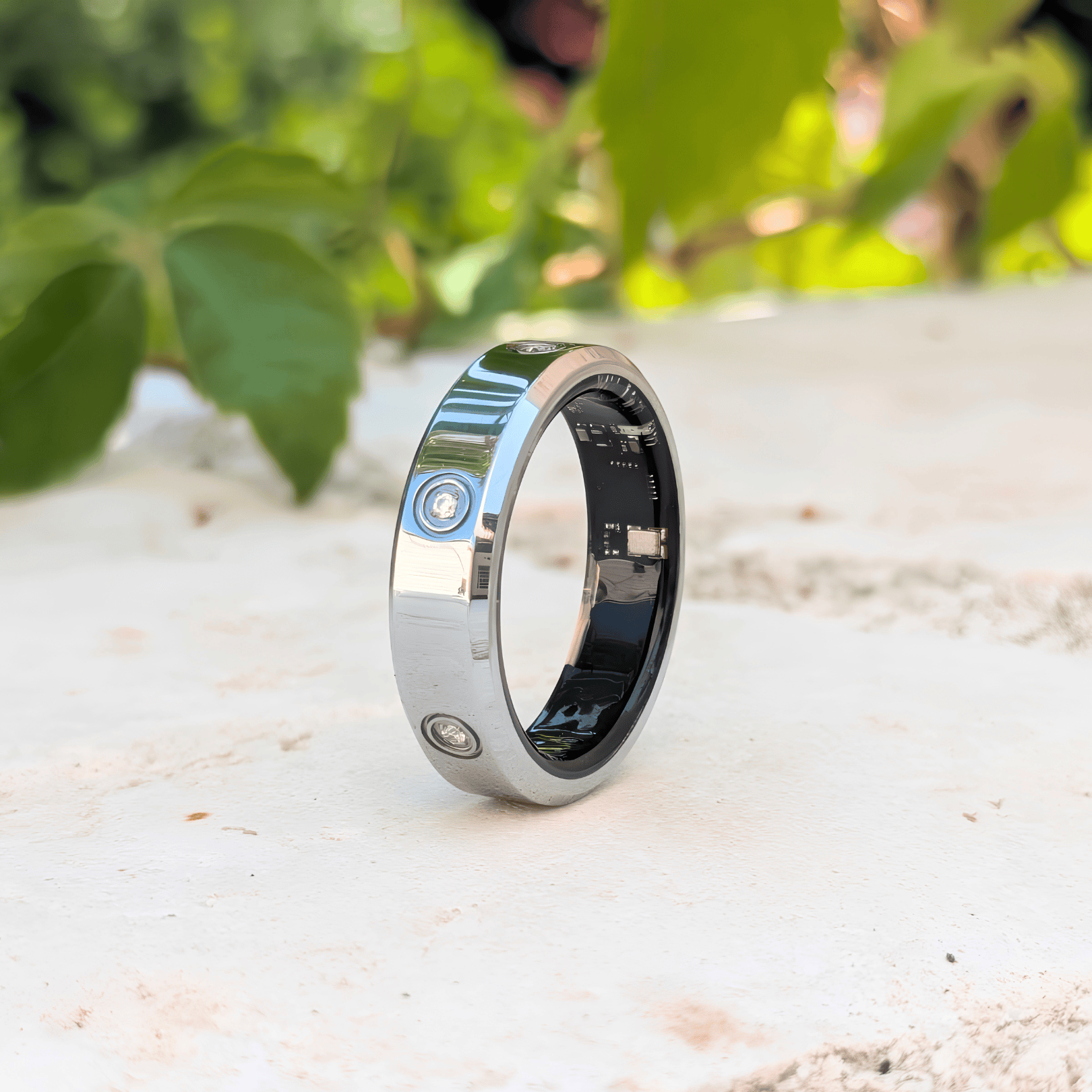
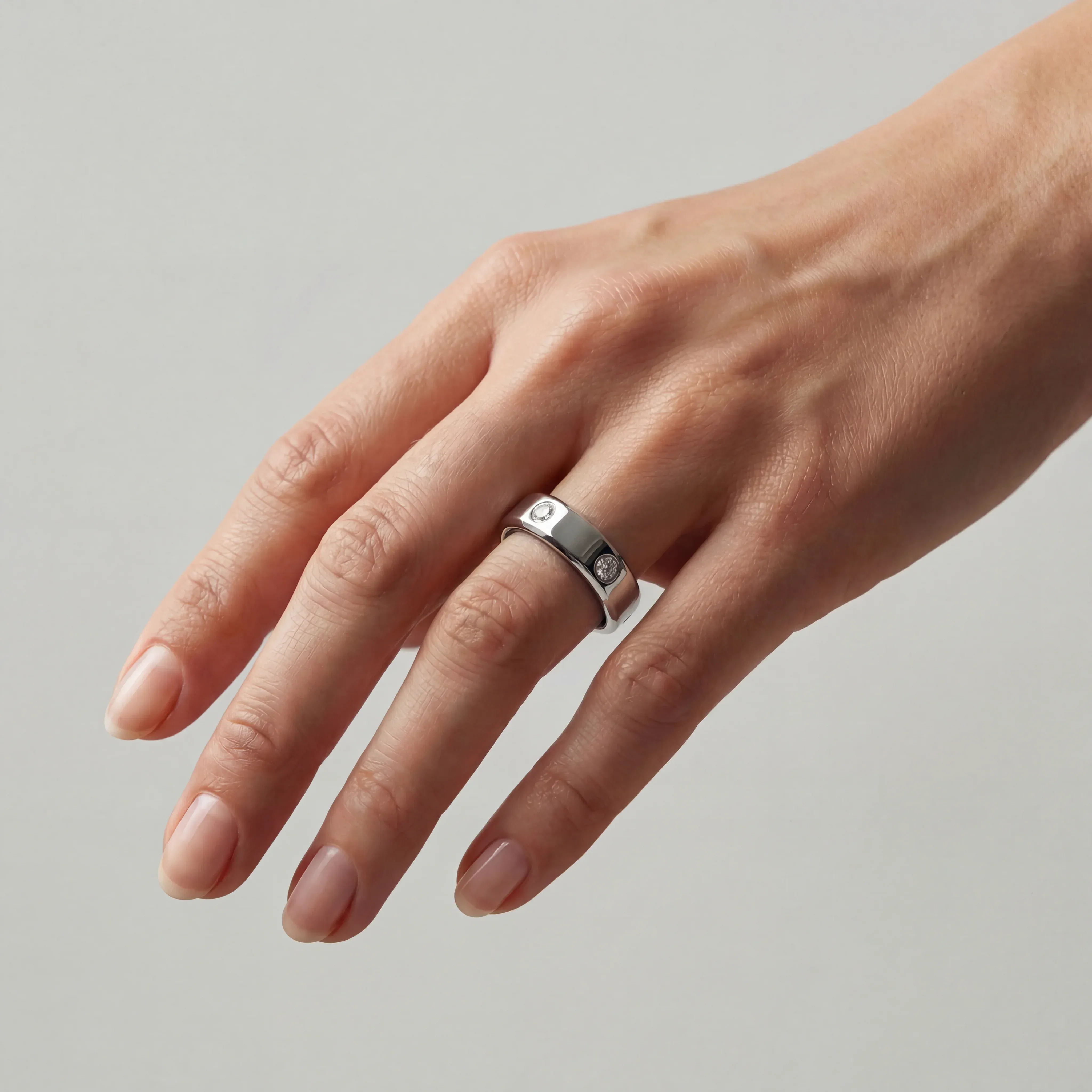
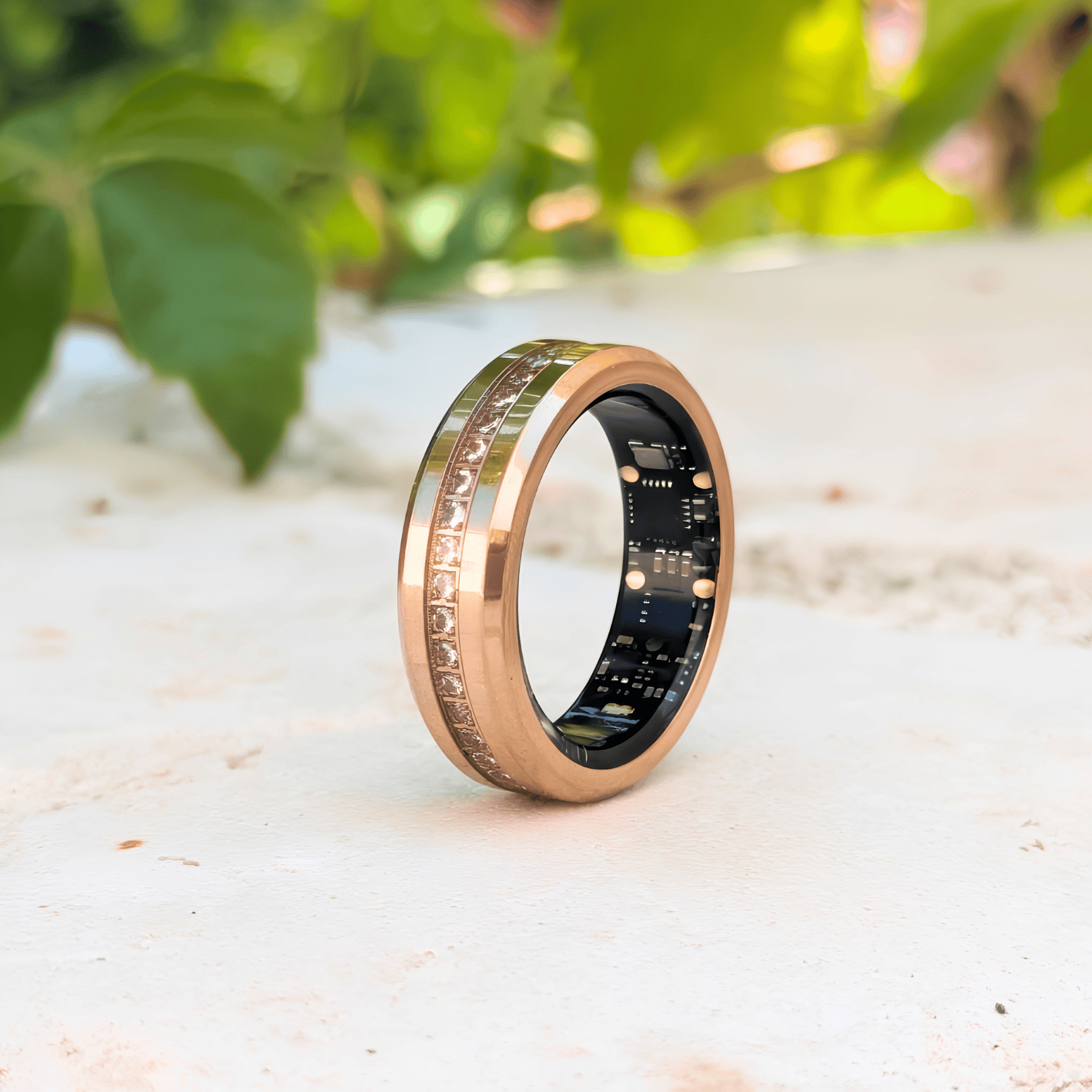
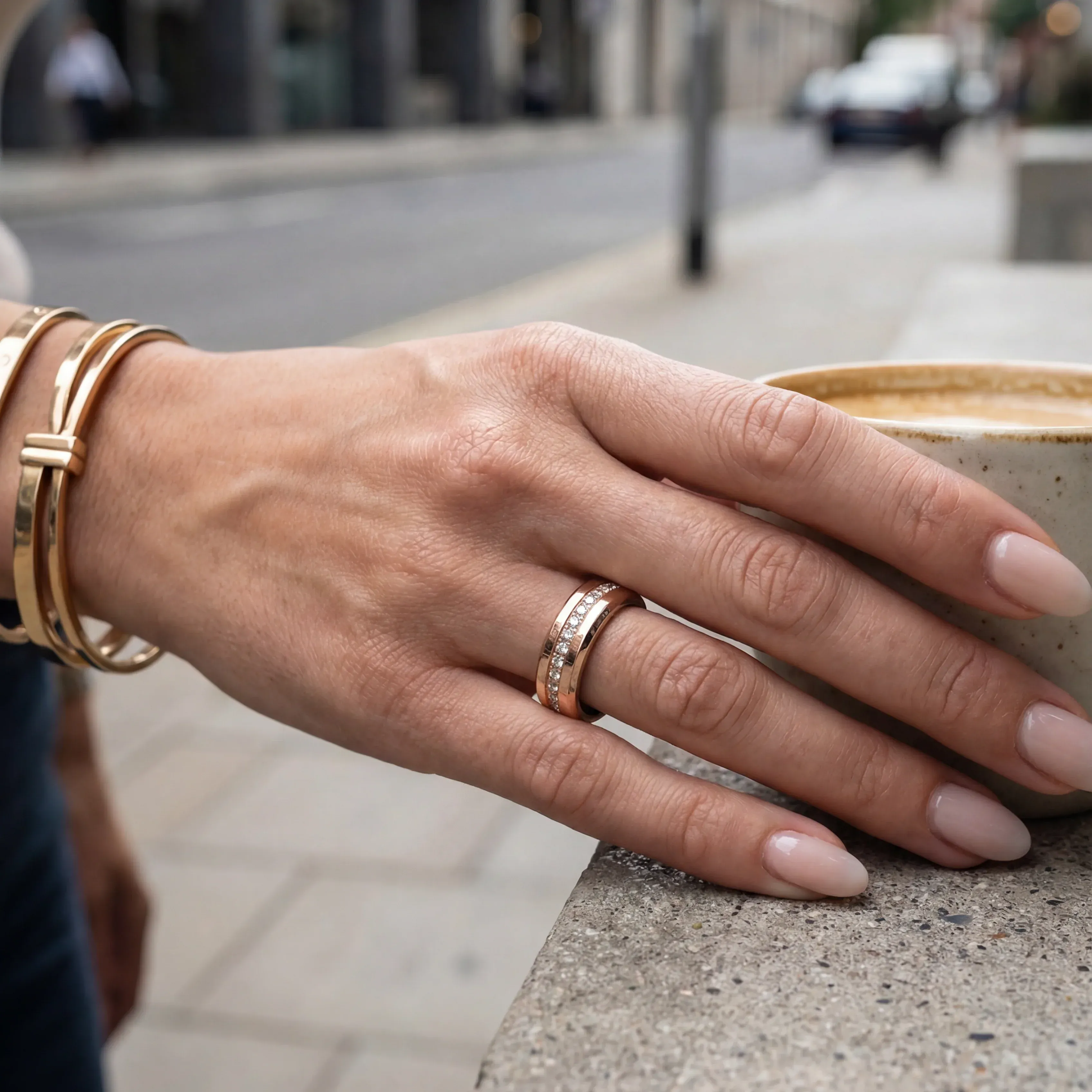
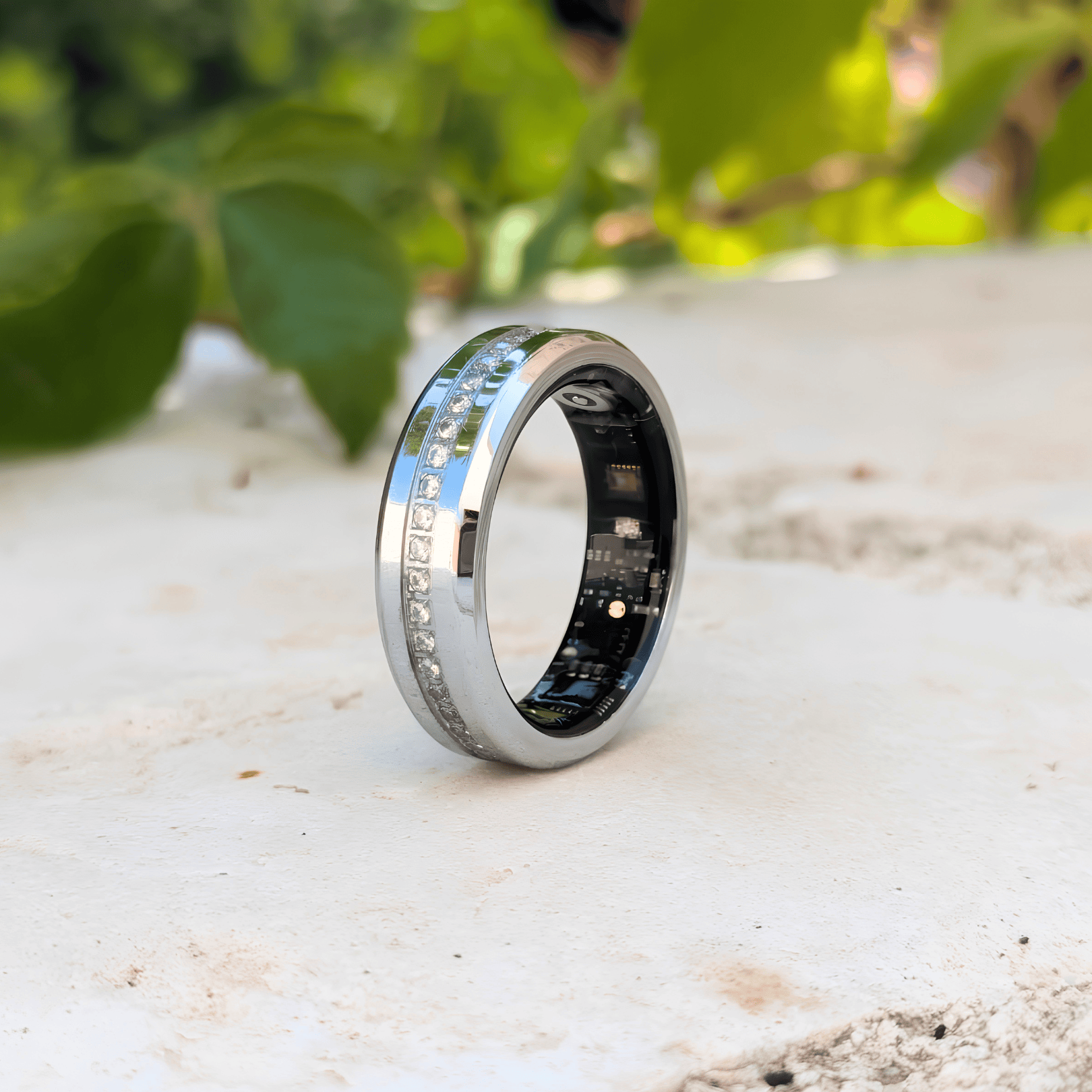
See NALA's full range of stylish smart rings here.







Leave a comment
This site is protected by hCaptcha and the hCaptcha Privacy Policy and Terms of Service apply.