

Your body temperature is never completely fixed. It shifts subtly throughout the day and night in response to sleep, hormones, stress, exercise, your environment and your general wellbeing.
Most of these changes are too small to notice. A smart ring, however, is paying rather closer attention.
How does a smart ring measure temperature?
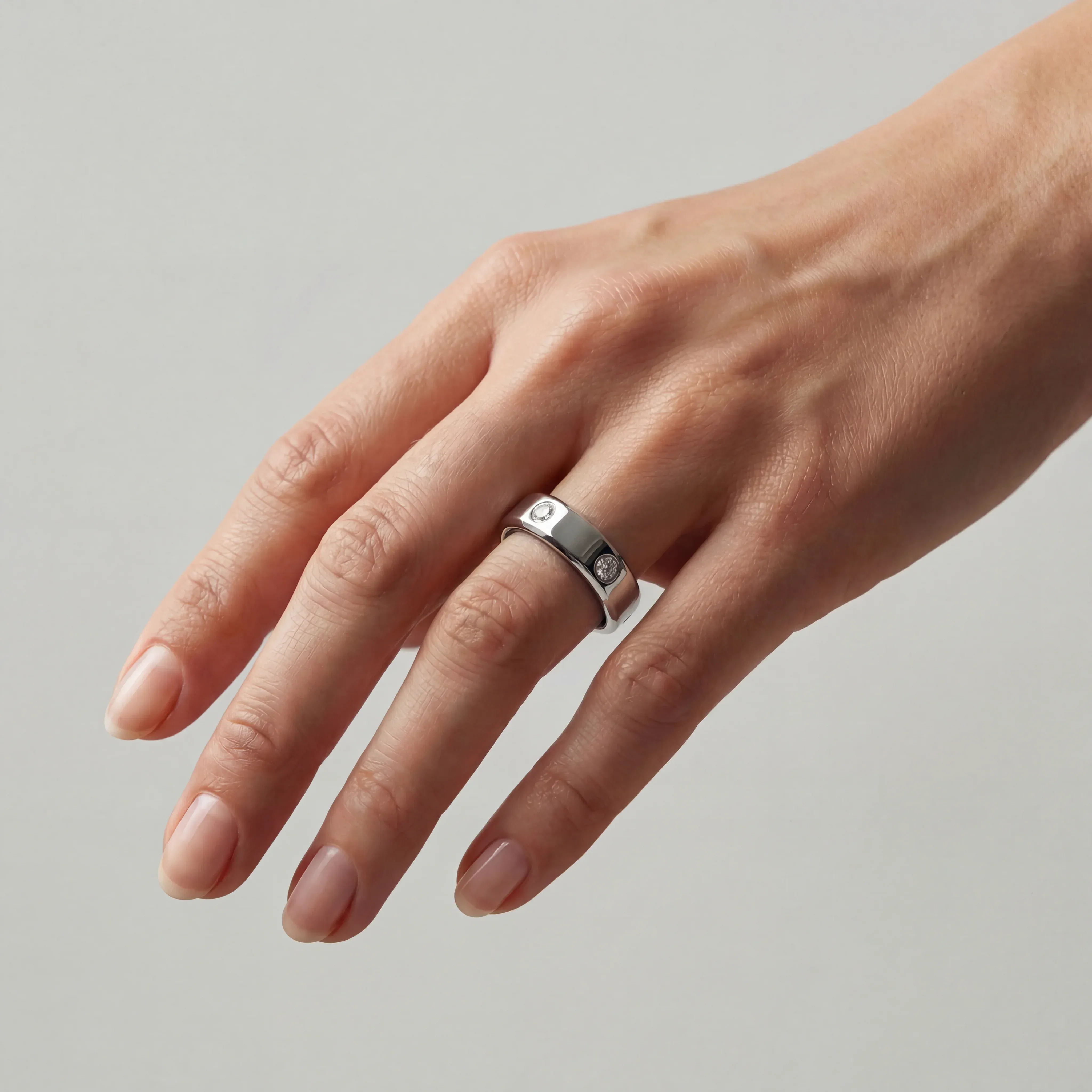
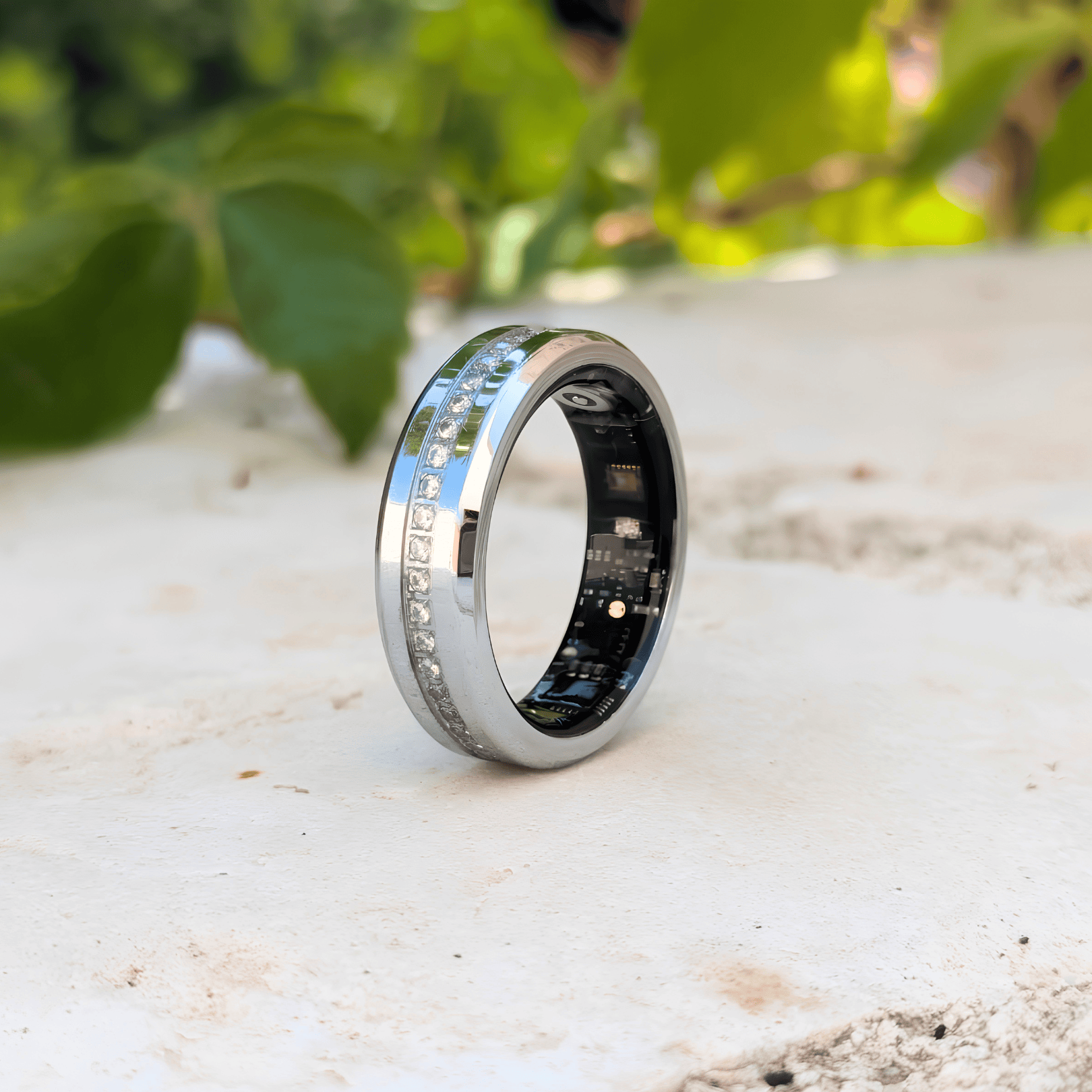
Temperature-enabled smart rings use a sensor positioned against the underside of your finger. Because the ring maintains close, consistent contact with your skin, it can collect regular readings while you sleep and go about your day.
It is important to understand that a smart ring usually measures skin temperature rather than core body temperature. It is therefore not quite the same as placing a thermometer under your tongue when you feel unwell.
Instead of treating one reading as the whole story, the ring establishes your personal baseline and looks for variations from your usual pattern. That is what makes the information useful: it is less about whether your temperature matches somebody else’s and more about what is normal for you.
Understanding your menstrual cycle
Temperature naturally changes throughout the menstrual cycle. After ovulation, progesterone can cause a small but noticeable rise in overnight temperature, before it falls again around the beginning of a period.
Tracking these shifts over time may help you recognise recurring patterns and better understand how different stages of your cycle affect your sleep, energy and recovery. Research suggests that night-time finger temperature can provide useful information for identifying menstrual phases, although a wellness ring should not be treated as a contraceptive or medical fertility device unless it has been specifically approved for that purpose.
Spotting when something feels different
A sustained rise above your usual temperature may appear when your body is under additional strain. That could be connected to illness, disrupted sleep, travel, alcohol, intense exercise or hormonal changes.
It does not diagnose the cause. What it can do is provide another clue, particularly when the change appears alongside a higher resting heart rate, lower Heart Rate Variation (HRV) or poorer sleep.
Sometimes your body is asking for rest before your diary has received the memo.
A clearer picture of sleep and recovery
Temperature also follows your circadian rhythm and plays a role in sleep. Looking at temperature alongside sleep, heart rate and stress data can help you notice which routines leave you feeling restored – and which ones quietly work against you.
As with every smart-ring metric, the value lies in the pattern rather than a single number.
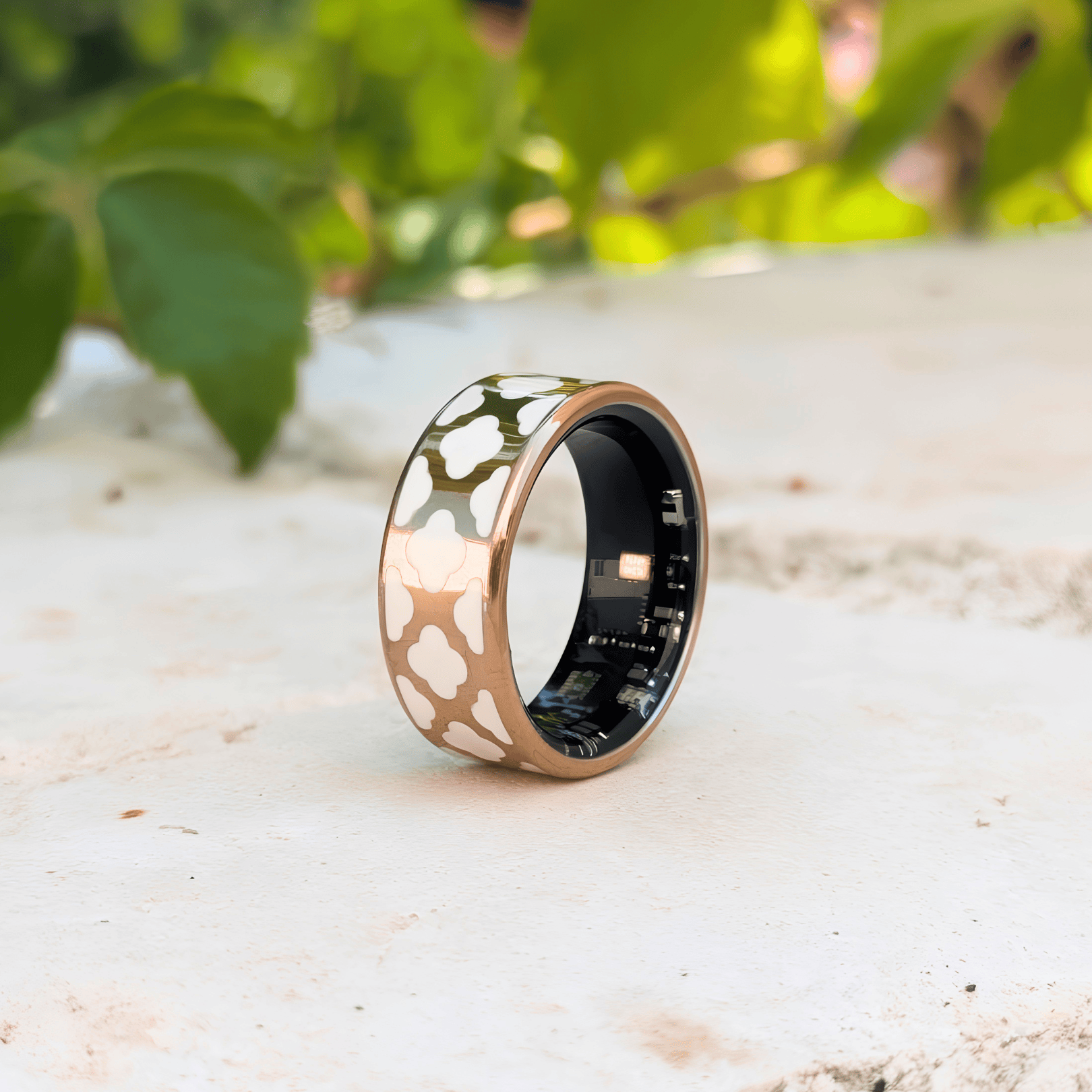
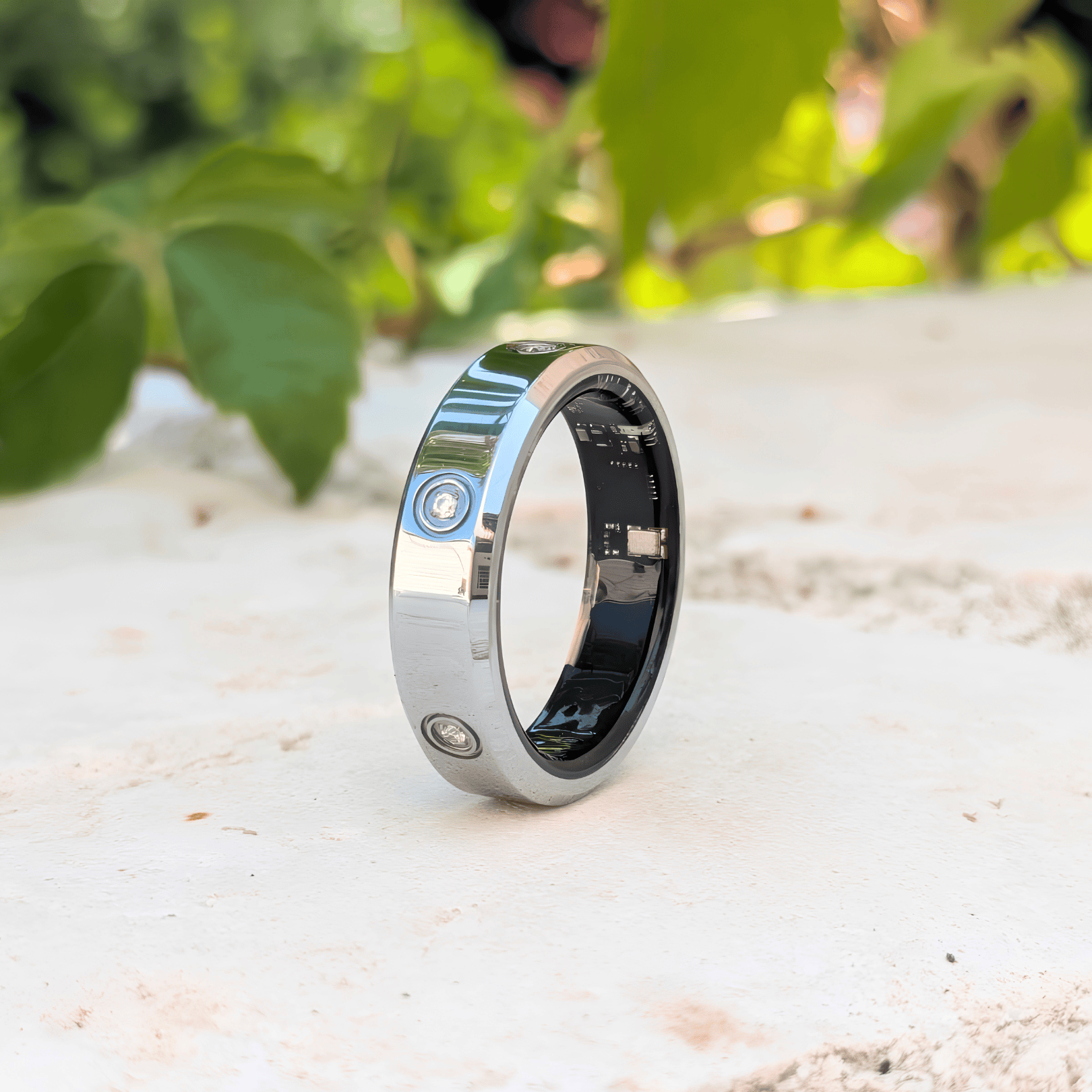
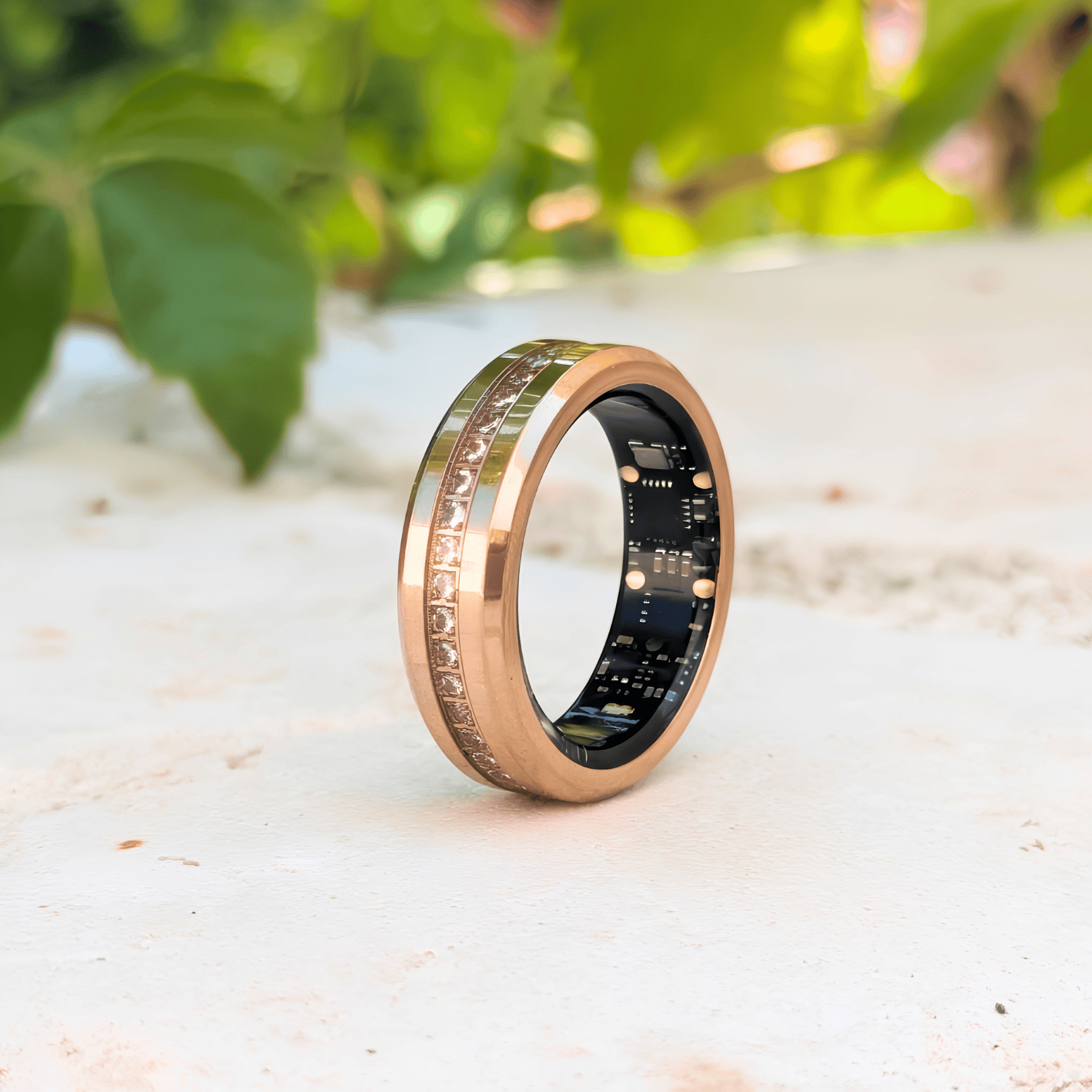
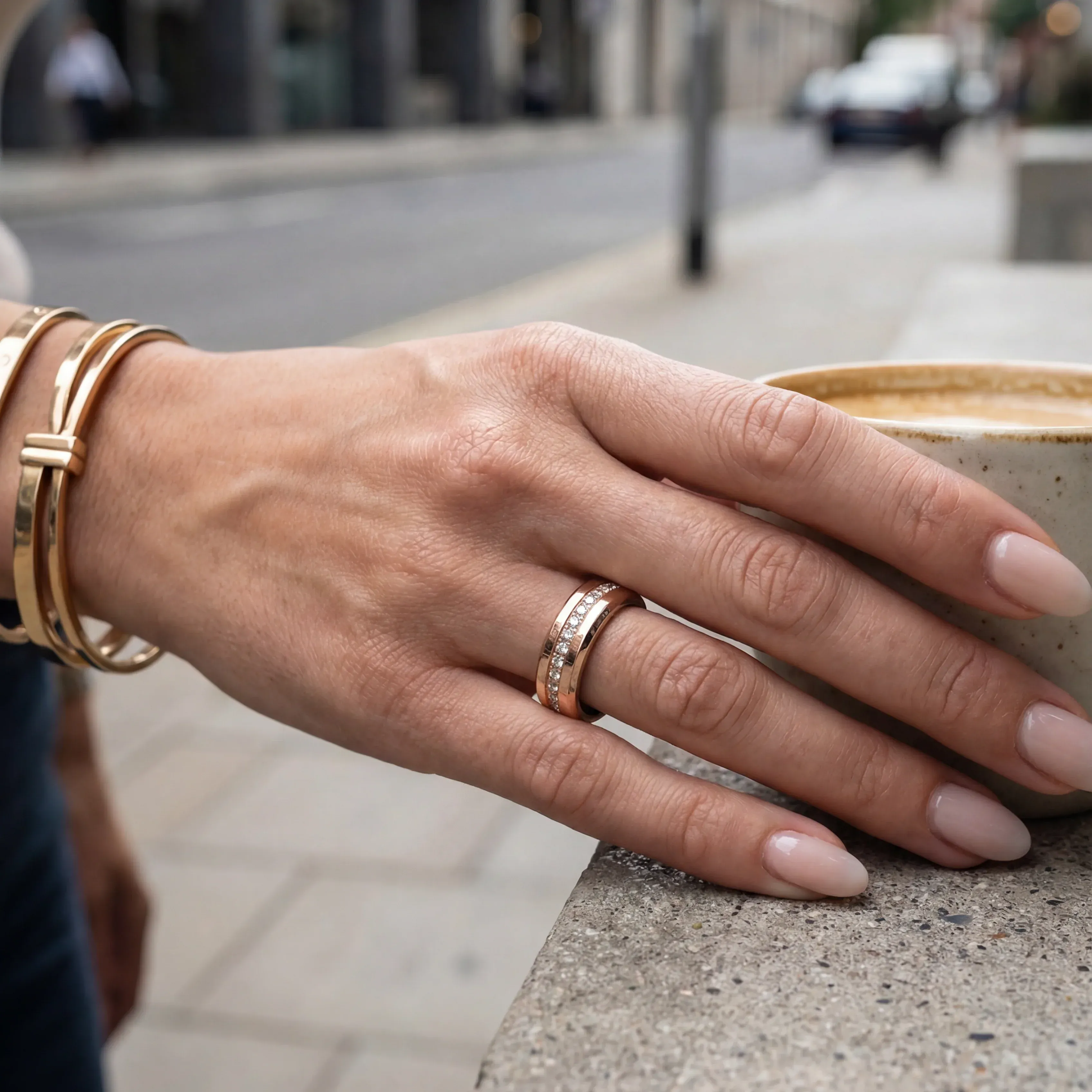
A NALA ring is not there to turn your wellbeing into a daily test. It simply helps you understand your body a little better, while looking nothing like a piece of health technology.
See NALA's full range of stylish smart rings here.







Leave a comment
This site is protected by hCaptcha and the hCaptcha Privacy Policy and Terms of Service apply.