

For years, we've been told that 10,000 steps a day is the magic number for good health. But here's the surprise: it wasn't originally based on medical research at all. The famous target began as part of a Japanese marketing campaign in the 1960s. Since then, it has become one of the world's most widely recognised health goals – but modern research tells a more interesting story. The truth is that there isn't one perfect number for everyone.
So how many steps should you actually aim for?
The good news is that you don't necessarily need to reach 10,000 steps to experience meaningful health benefits.
Large studies have found that many of the biggest improvements in health happen between around 6,000 and 8,000 daily steps, particularly for adults over 60. For younger adults, benefits often continue up to 8,000-10,000 steps, although there isn't a sudden jump in health simply because you cross the 10,000 mark.
In other words, every step counts. Walking more than you do today is almost always better than doing less.
Why walking matters
Walking is one of the simplest ways to support your overall wellbeing.
Regular movement can help:
- Improve cardiovascular health
- Support healthy weight management
- Boost mood
- Reduce stress
- Improve sleep quality
- Increase energy levels
- Support healthy ageing
And because it's low impact, it's a habit many people can build into everyday life.
Your smart ring keeps track for you
One of the easiest ways to stay motivated is simply knowing how active you've been.
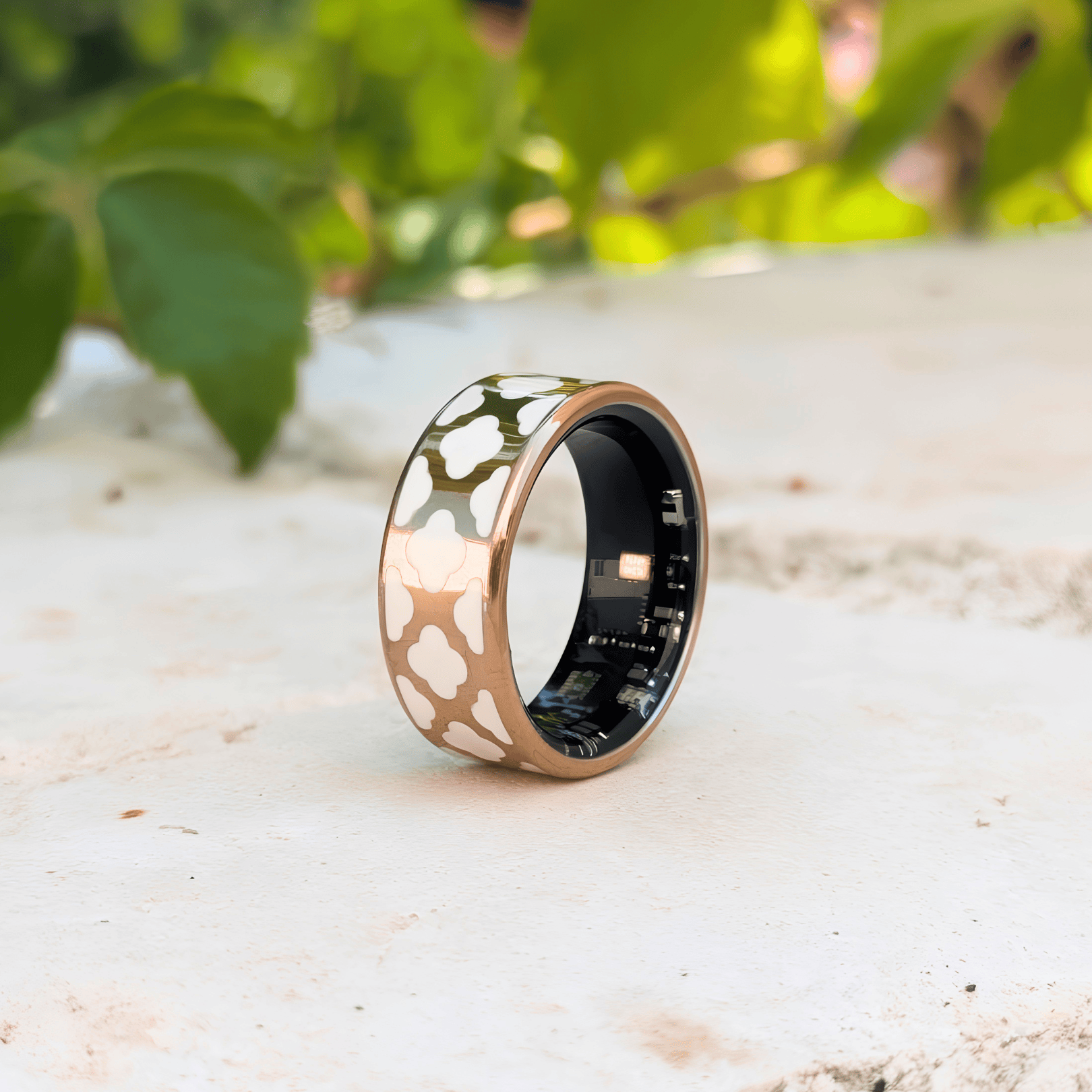
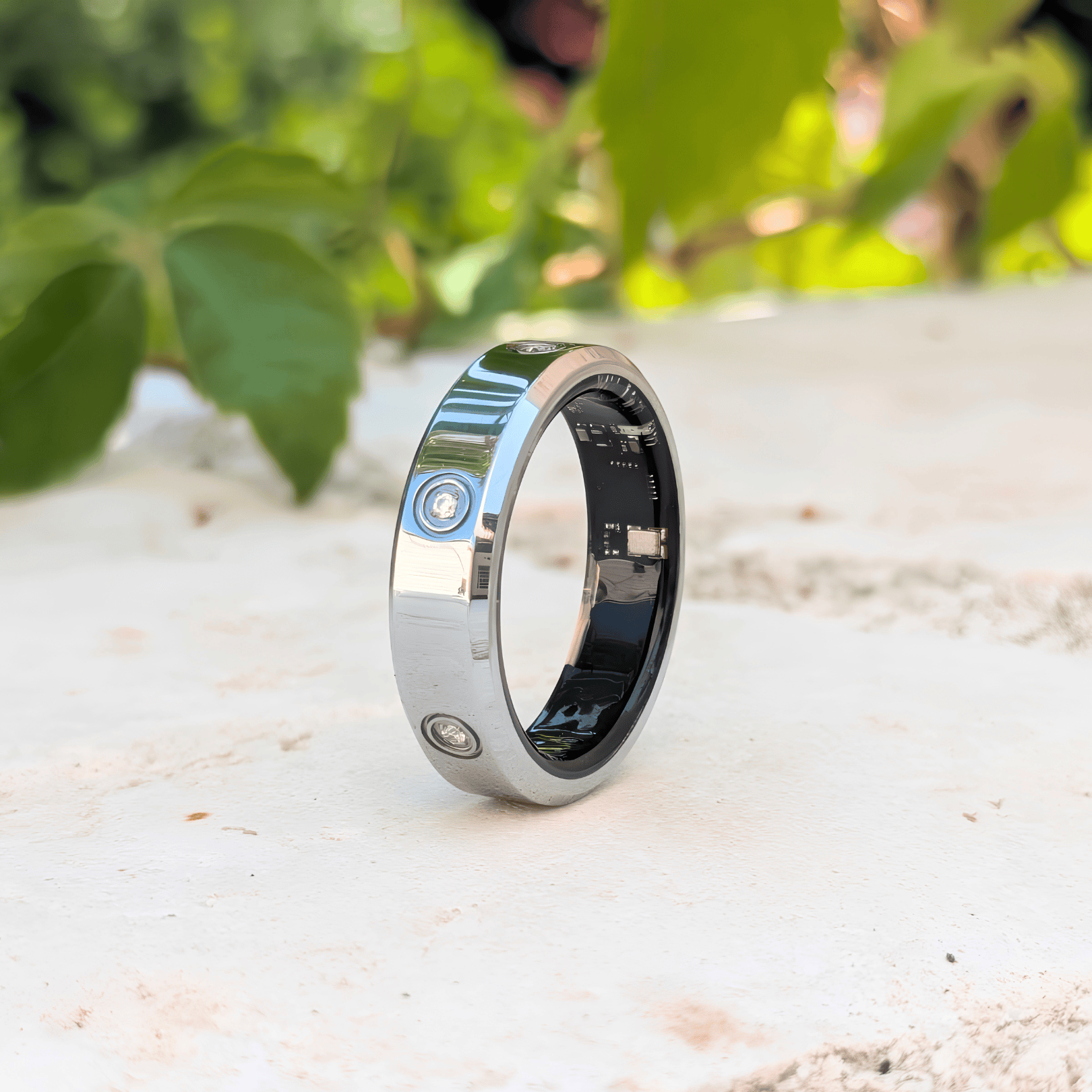
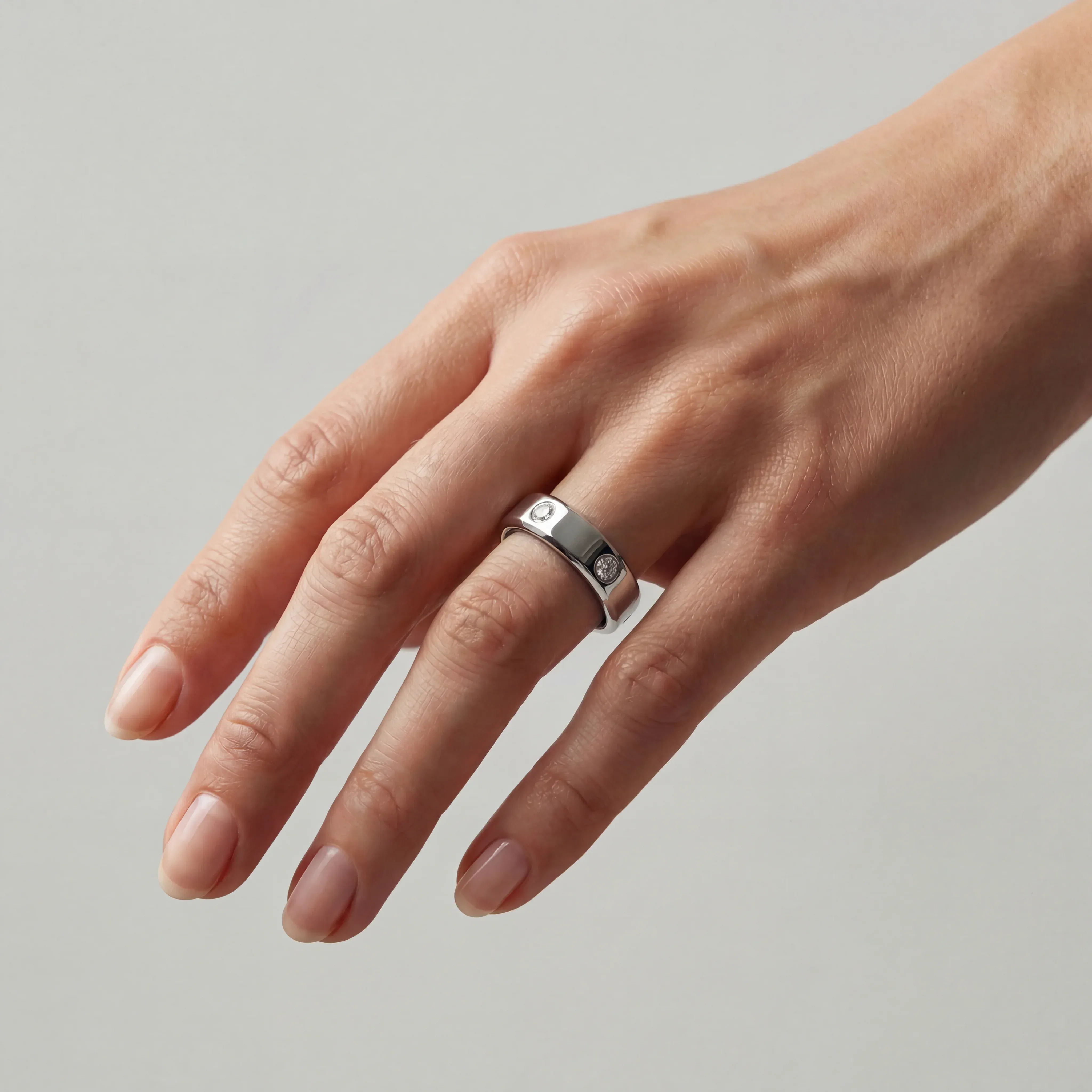
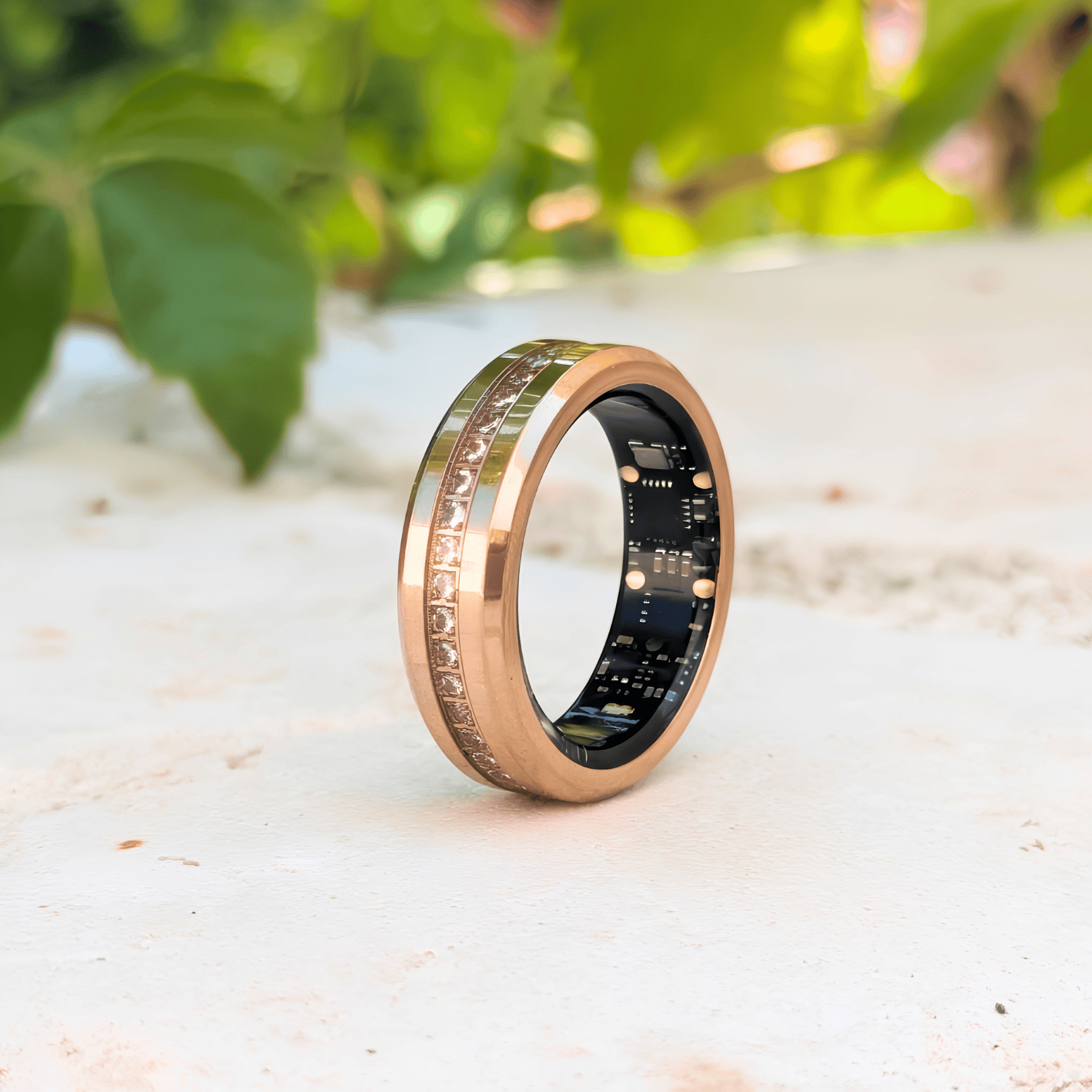
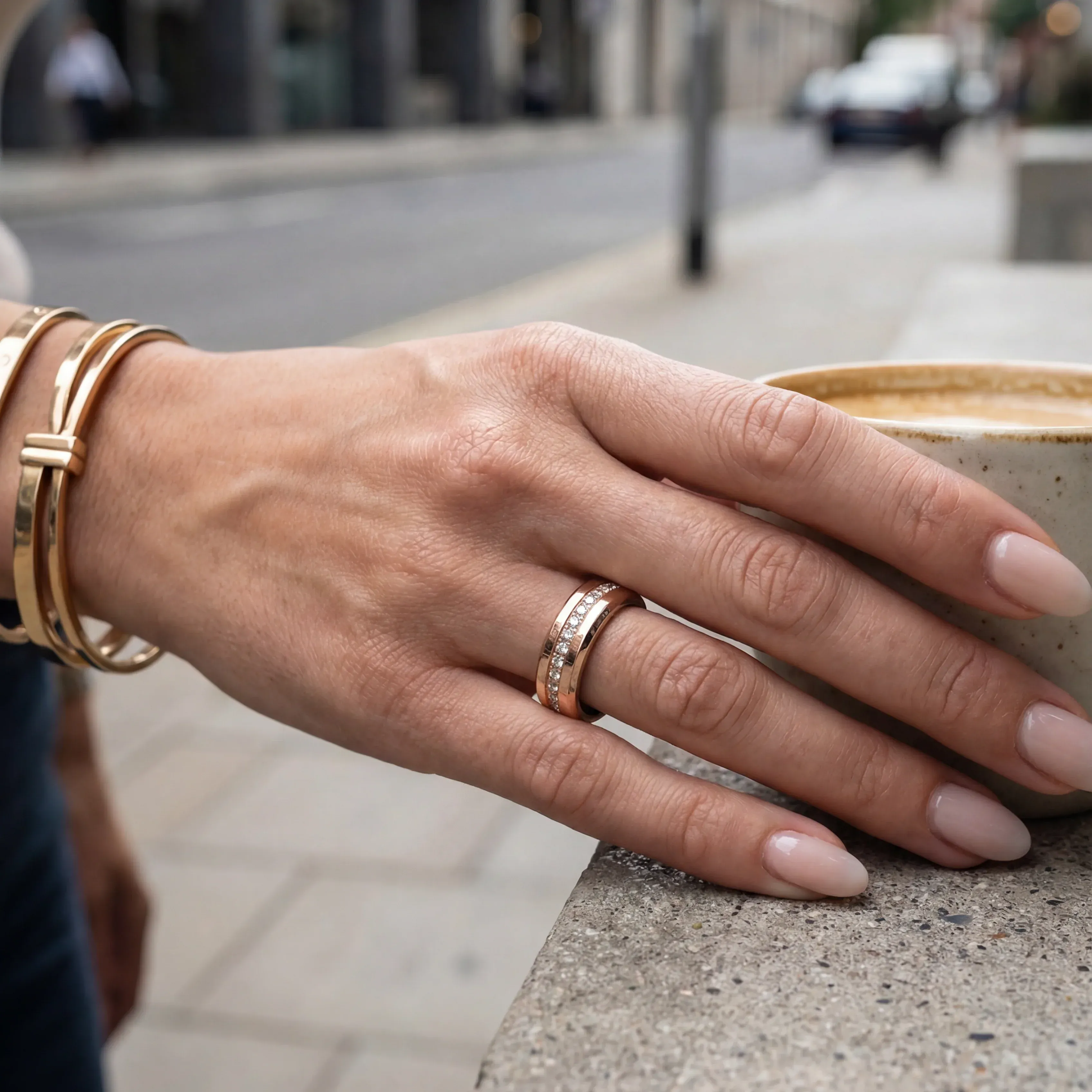
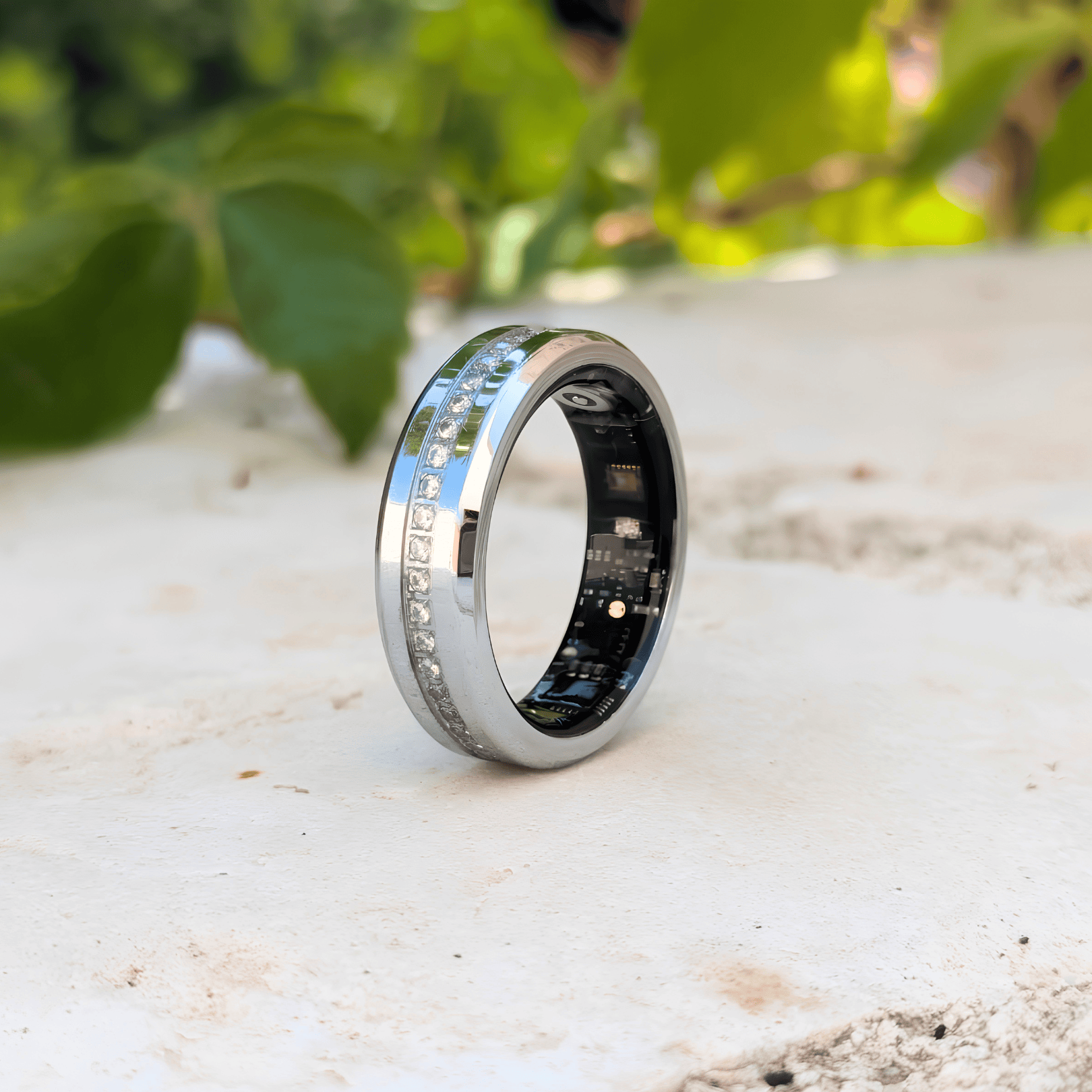
Smart rings like NALA's automatically record your daily steps and activity, so there's no need to constantly check your phone or count them yourself.
More importantly, it puts those steps into context.
Perhaps you notice that the days you reach 7,000 steps are also the nights you sleep more deeply. Or maybe your stress score tends to fall after an afternoon walk.
Over time, your ring helps connect the dots between movement, sleep, recovery and overall wellbeing.
Focus on consistency, not perfection
If you're currently averaging 3,500 steps a day, jumping straight to 10,000 isn't necessary.
Increasing your daily movement gradually is more realistic – and much easier to maintain.
That could mean:
- Taking a lunchtime walk.
- Parking a little further away.
- Walking while catching up with a friend.
- Choosing the stairs instead of the lift.
Small changes soon add up.
Everybody is different
Some days you'll naturally be more active than others.
Rather than chasing an arbitrary number, your NALA ring helps you understand your own lifestyle and build healthy habits that work for you.
The bottom line is that wellness isn't about ticking off a magic number, it's about moving more, feeling better and creating routines you can actually stick to. And that's really important.
See NALA's full range of stylish smart rings here.







Leave a comment
This site is protected by hCaptcha and the hCaptcha Privacy Policy and Terms of Service apply.